Emergency Procedures at Sea: What Every Yacht Owner Must Know
Operating a yacht involves navigating a dynamic environment where conditions can shift rapidly. While many journeys proceed without incident, having a clear understanding of emergency procedures contributes to overall preparedness. This article examines several common emergency scenarios and the protocols that can help crew and passengers respond effectively. The focus is on the structure of these procedures and the importance of regular practice, rather than on specific outcomes.
Preparation begins long before a yacht leaves the dock. Familiarizing oneself with the vessel’s safety equipment, communication systems, and emergency routes is a foundational step. Every crew member should understand their role in a potential emergency, from locating life jackets to operating the radio. Drills and tabletop exercises can further reinforce these skills, making responses more instinctive when seconds count.
Man Overboard: Immediate Actions and Recovery Techniques
A person falling overboard is one of the most time-sensitive emergencies at sea. The first moments are critical, and a predefined sequence of actions can improve the chances of a successful recovery. The initial step involves loudly alerting the crew with a clear call of “man overboard” while continuously pointing at the person in the water. This visual reference helps the helmsman maintain a mental bearing.
The vessel should be maneuvered to approach the person from a downwind or down-current direction, reducing the risk of drifting or being pushed away. Engine speed should be reduced as the yacht gets closer, and crew members should prepare retrieval aids such as a life ring, a rescue ladder, or a dedicated man overboard recovery system. Depending on the yacht’s design, techniques like the Williamson turn or the Anderson turn may be used to return to the spot. Once alongside, the person can be brought aboard using a combination of mechanical advantage and careful handling to avoid further injury.
Recovery drills should be practiced in calm conditions before they are needed. Using a dummy or a crew volunteer in a controlled environment allows everyone to become familiar with the vessel’s turning characteristics and the retrieval process. Over time, these drills can be made more realistic by adding variables such as reduced visibility or simulated motion.
Fire Response: Detection, Suppression, and Evacuation
Fire on a yacht presents unique challenges due to the confined space, the presence of fuel and electrical systems, and the distance from shore-based firefighting resources. Prevention remains the most effective approach, but a well-defined response plan is equally important. The plan should begin with prompt detection—smoke alarms, heat sensors, and visual inspections are common tools.
Upon discovering a fire, the first action is to alert everyone onboard and attempt to contain the fire by closing hatches and shutting off ventilation systems. Portable fire extinguishers of appropriate types (e.g., dry chemical for electrical or flammable liquid fires) can be used only if the fire is small and the user has a clear escape route. Crew members should be trained in the PASS technique—pull the pin, aim at the base, squeeze the handle, and sweep from side to side. If the fire grows beyond the capacity of handheld extinguishers, the priority shifts to evacuation.
Abandoning a burning yacht may involve deploying a liferaft and ensuring all persons have donned life jackets. Communication with maritime authorities via VHF radio, including the vessel’s position and nature of emergency, should occur as early as possible. Regular inspections of fire suppression equipment and monthly walkthroughs of the vessel’s electrical and fuel systems can reduce the likelihood of a fire starting in the first place.
Medical Emergencies: First Aid Kits and Communication Protocols
Medical incidents at sea range from minor cuts to more serious conditions such as heart attacks or severe allergic reactions. The yacht’s first aid kit should be stocked based on the size of the crew, the duration of the voyage, and the distance from medical facilities. Items such as antiseptics, bandages, splints, and medications for seasickness are standard, but the kit may also include advanced supplies if a crew member has specific training.
Remote medical guidance can be obtained through satellite communication services or VHF radio channels dedicated to medical advice. In many regions, contacting the coast guard or a marine medical call center allows a trained professional to assess the situation and recommend interim treatment. The yacht’s captain or designated medical officer should clearly document the patient’s symptoms, vital signs, and any administered care, as this information may be needed during a handover to emergency services.
Training in basic first aid and CPR is beneficial for all crew members. Courses offered by recognized maritime organizations often include scenario-based practice that addresses the constraints of a moving vessel. Updating the first aid kit before each trip and reviewing communication protocols can help ensure that medical responses are as coordinated as possible.
Abandon Ship: Deployment of Liferafts and Survival Techniques
Deciding to abandon a yacht is never taken lightly and is typically reserved for situations where the vessel is sinking, uncontrollably burning, or otherwise uninhabitable. The decision should be based on a clear assessment of the vessel’s integrity and the availability of resources for survival. Once the order is given, crew and passengers should proceed to the designated muster station with life jackets and any pre-packed grab bags containing water, flares, a portable radio, and signaling devices.
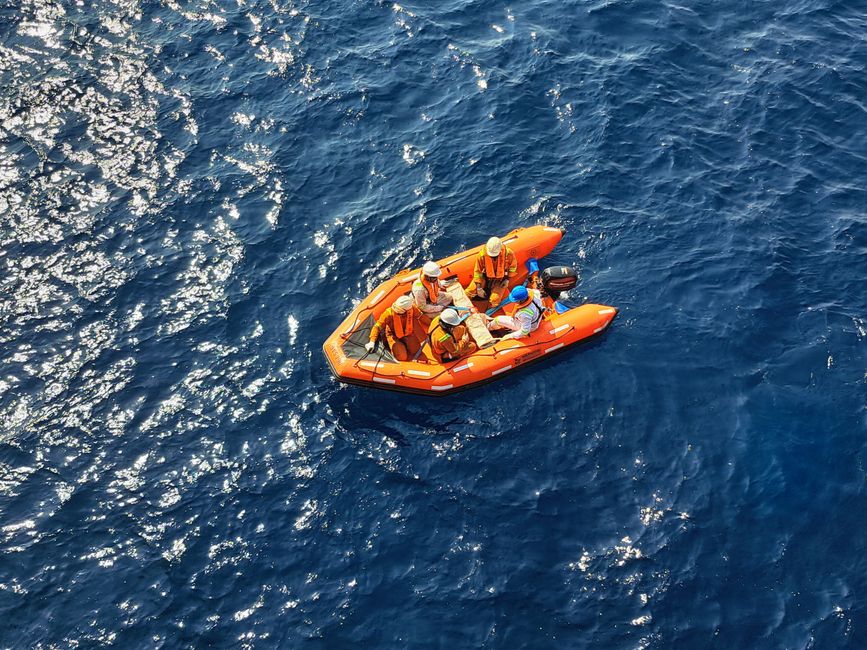
Liferaft deployment follows a specific sequence: securing the painter line to the vessel, throwing the raft overboard, pulling the line to inflate the raft, and then boarding one person at a time. Once aboard, the raft should be moved away from the sinking vessel to avoid being pulled under. Inside the raft, passengers should sit low, distribute weight evenly, and take seasickness medication if available, as vomiting can lead to dehydration.
Survival procedures include using signals such as flares or mirrors, conserving fresh water, and protecting against hypothermia by huddling together or using a thermal blanket. Regular drills that simulate the launch and boarding of a liferaft can make the process more efficient when stress levels are high. Boat owners can also consult the manufacturer’s instructions for their specific raft model, as inflation and boarding details vary.
Communication and Coordination: Contacting Rescue Services
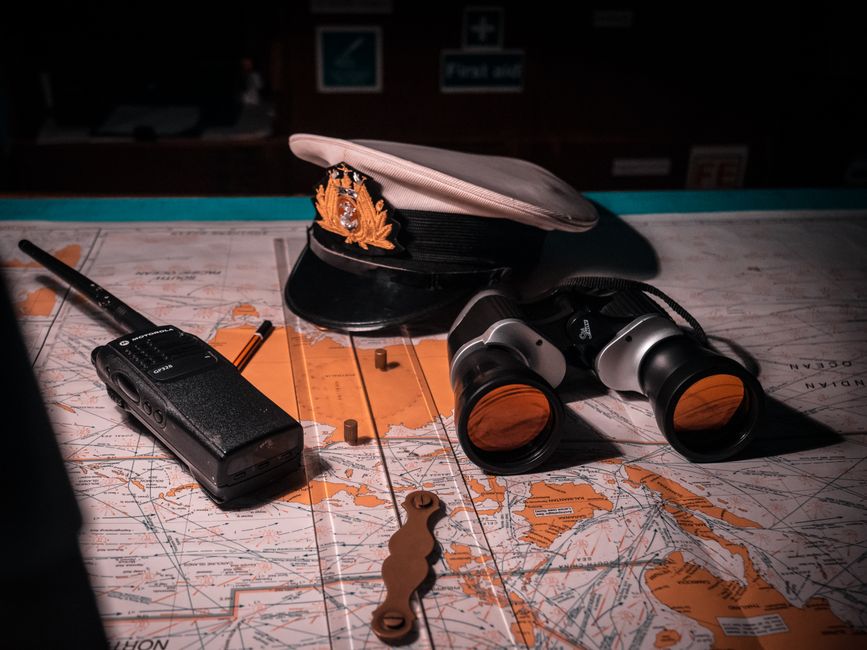
Effective communication is the thread that connects all emergency procedures. A yacht should carry at least two means of communication: a fixed VHF radio and a portable backup, such as a handheld VHF or a satellite device. The international distress frequency 156.8 MHz (Channel 16) is monitored by coast guards worldwide and should be used for initial emergency calls. The distress call includes the vessel’s name, position, nature of emergency, and number of persons onboard.
In addition to voice communications, Digital Selective Calling (DSC) can be used to send a distress alert with a single button press. This feature is built into modern VHF radios and automatically transmits the vessel’s MMSI number and GPS coordinates. Emergency Position Indicating Radio Beacons (EPIRBs) provide an independent layer of safety by transmitting a signal to search-and-rescue satellites.
Coordination with rescue services does not end with the initial call. Once contact is established, the vessel should follow the instructions of the responding authority and continue to update them on any changes to the situation. Pre-departure plans that include float plans—documents left with a trusted person ashore—help rescue services know where to look if a vessel is overdue. Maintaining these communication practices, along with periodic testing of all devices, forms a reliable framework for managing emergencies at sea.